What's in it?
Search Entire CPID Database
Enter Products, Manufacturers, Chemicals, Product Categories and Product Types
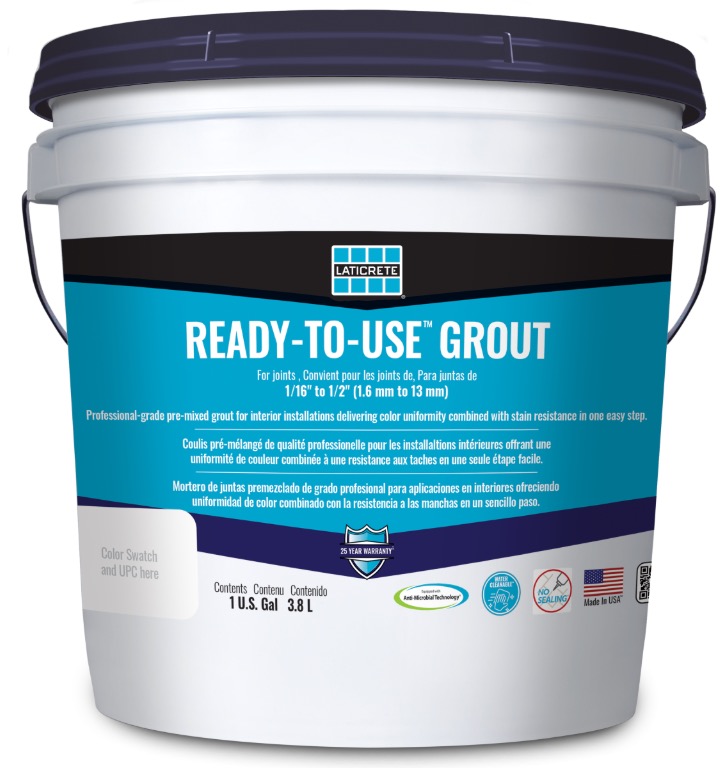 |
Laticrete Stonetech Ready-To-Use Pre-Mixed Grout-06/15/2020
Products in this Consumer Product Information Database (CPID) are classified based on their composition:
Substances: single chemicals
Preparations: products which contain chemicals that can be easily separated during normal use
Articles: products or product assemblies that do not contain chemicals that can be separated out from the product or assembly under normal or advertised use.
Classification: Preparation
Indicates country where product is sold.
Market: US/CanadaPurpose of product.
Usage: Tile groutStructure such as solid, liquid, aerosol etc.
Form: pasteDate when validity of Material Safety Data Sheet (MSDS) or Safety Data Sheet (SDS) was last verified.
Date verified: April 24, 2025One Laticrete Park, N. 91 Amity Road
Bethany CT 06524
-
Chemical Composition/Ingredients
The GHS is an acronym for The Globally Harmonized System of Classification and Labelling of Chemicals. The GHS is a system for standardizing and harmonizing the classification and labelling of chemicals. Chemicals are associated with codes that define their health, physical and environmental hazards.This universal hazard communication system was developed to ensure that employers, employees and consumers are provided with adequate, practical, reliable and comprehensible information on the hazards of chemicals, so that they can take effective preventive and protective measure for their own health and safety.
Advanced
The GHS classifications for chemicals associated with products in this database may be viewed by selecting the "Advanced" button on the Chemical Ingredients tables. Since this is a work in progress, GHS classifications may not be shown for all chemical ingredients.-
-
Health Effects Information
Ingredients and Health Effects Information are taken from the manufacturer's product label and/or the Safety Data Sheet (SDS). Products are not tested and manufacturer's information presented here is not evaluated by DeLima Associates.
View Safety Data Sheet(SDS) Date that the Safety Data Sheet (SDS) was issued by manufacturer of a specific product.
SDS DATE :June 15, 2020 Measure of Alkalinity/Acidity of substance or preparation where a level of 7 is considered as neutral.
pH Levels7.5-9.0 -
Warnings
Hazard Statements
Danger. May cause respiratory irritation. May cause cancer (Inhalation). Causes damage to organs (lungs) through prolonged or repeated exposure (Inhalation).
Precautionary Statements
General
Obtain special instructions before use. Do not handle until all safety precautions have been read and understood.
Prevention
Do not breathe dust. Wash hands, forearms and face thoroughly after handling. Do not eat, drink or smoke when using this product. Use only outdoors or in a well-ventilated area. Contaminated work clothing should not be allowed out of the workplace. Wear protective gloves, protective clothing, and eye protection.
Response
If exposed or concerned: Get medical advice/attention. Immediately call a POISON CENTER or doctor. Get medical advice/attention if you feel unwell.
Storage
Store in a well-ventilated place. Keep container tightly closed.
Disposal
Dispose of contents/container in accordance with local, regional, national, territorial, provincial, and international regulations. -
Acute health effects
From SDS:
Hazards Identification
Emergency Overview
Danger. May cause respiratory irritation. May cause cancer (Inhalation). Causes damage to organs (lungs) through prolonged or repeated exposure (Inhalation).
Potential Health Effects
Eye Contact: May cause slight irritation to eyes.
Skin Contact: Prolonged exposure may cause skin irritation.
Inhalation: Irritation of the respiratory tract and the other mucous membranes. The three types of silicosis include: 1) Simple chronic silicosis – which results from long-term exposure (more than 20 years) to low amounts of respirable crystalline silica. Nodules of chronic inflammation and scarring provoked by the respirable crystalline silica form in the lungs and chest lymph nodes. This disease may feature breathlessness and may resemble chronic obstructive pulmonary disease (COPD); 2) Accelerated silicosis – occurs after exposure to larger amounts of respirable crystalline silica over a shorter period of time (5-15 years); 3) Acute silicosis – results from short-term exposure to very large amounts of respirable crystalline silica. The lungs become very inflamed and may fill with fluid, causing severe shortness of breath and low blood oxygen levels. Inflammation, scarring, and symptoms progress faster in accelerated silicosis than in simple silicosis. Progressive massive fibrosis may occur in simple or accelerated silicosis, but is more common in the accelerated form. Progressive massive fibrosis results from severe scarring and leads to the destruction of normal lung structures
Ingestion: Ingestion may cause adverse effects. -
Chronic health effects
From SDS:
May cause cancer by inhalation. Causes damage to organs (lungs) through prolonged or repeated exposure (Inhalation). Some studies show that exposure to respirable crystalline silica (without silicosis) or that the disease silicosis may be associated with the increased incidence of several autoimmune disorders such as scleroderma (thickening of the skin), systemic lupus erythematosus, rheumatoid arthritis and diseases affecting the kidneys. Silicosis increases the risk of tuberculosis. Some studies show an increased incidence of chronic kidney disease and end-stage renal disease in workers exposed to respirable crystalline silica. Repeated or prolonged exposure to titanium dioxide dust via inhalation is suspected of causing cancer of the respiratory tract. -
Carcinogenicity
May cause cancer (Inhalation).
Quartz, CAS No. 014808-60-7, IARC Group 1Titanium Dioxide, CAS No. 013463-67-7, IARC Group 2B -
Handling information
Wash hands and other exposed areas with mild soap and water before eating, drinking or smoking and when leaving work. Avoid contact with eyes, skin and clothing. Obtain special instructions before use. Do not handle until all safety precautions have been read and understood. Do not breathe dust. Handle in accordance with good industrial hygiene and safety procedures. Keep container closed when not in use. Store in a dry, cool place. Keep/Store away from direct sunlight, extremely high or low temperatures and incompatible materials. Store locked up/in a secure area. -
Disposal information
Dispose of contents/container in accordance with local, regional, national, territorial, provincial, and international regulations. Avoid release to the environment.
-
California Prop. 65 Warning
This product can expose you to Quartz, which is known to the State of California to cause cancer, and Ethylene glycol, which is known to the State of California to cause birth defects or other reproductive harm.
-
First Aid
Eye Contact: Rinse cautiously with water for at least 5 minutes. Remove contact lenses, if present and easy to do. Continue rinsing. Obtain medical attention if irritation develops or persists.Skin Contact: Remove contaminated clothing. Drench affected area with water for at least 15 minutes. If exposed or concerned: Get medical advice/attention.Inhalation: When symptoms occur: go into open air and ventilate suspected area. Obtain medical attention if breathing difficulty persists.Ingestion: Rinse mouth. Do NOT induce vomiting. Obtain medical attention.
-
 CoC List
 UN Global Harmonization Classification


